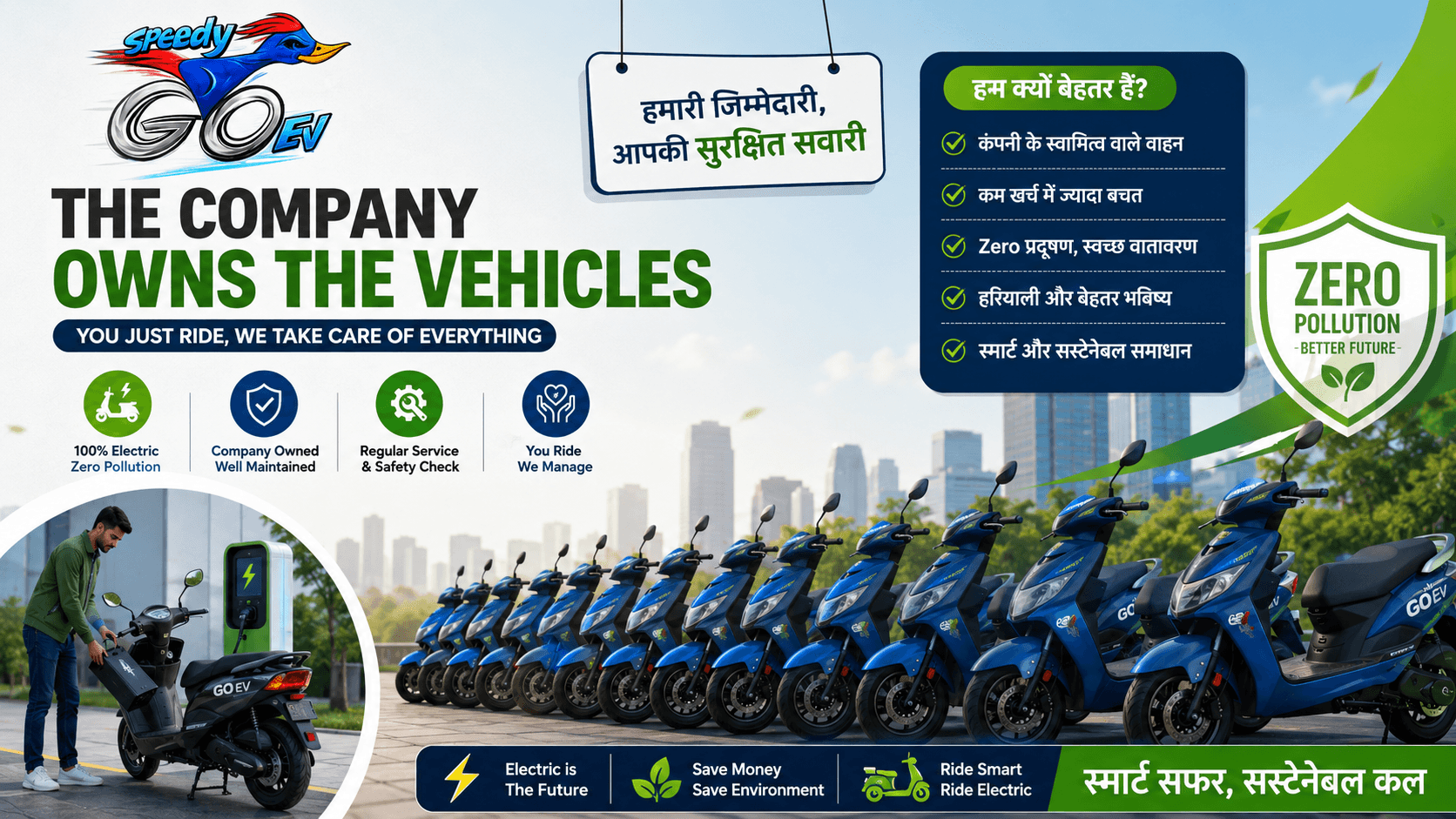
The company owns the vehicles
Every vehicle is company-owned and in daily commercial use. Not a pilot, not a pledge for a later year.
Every Go Speedy vehicle is electric and in daily commercial use.
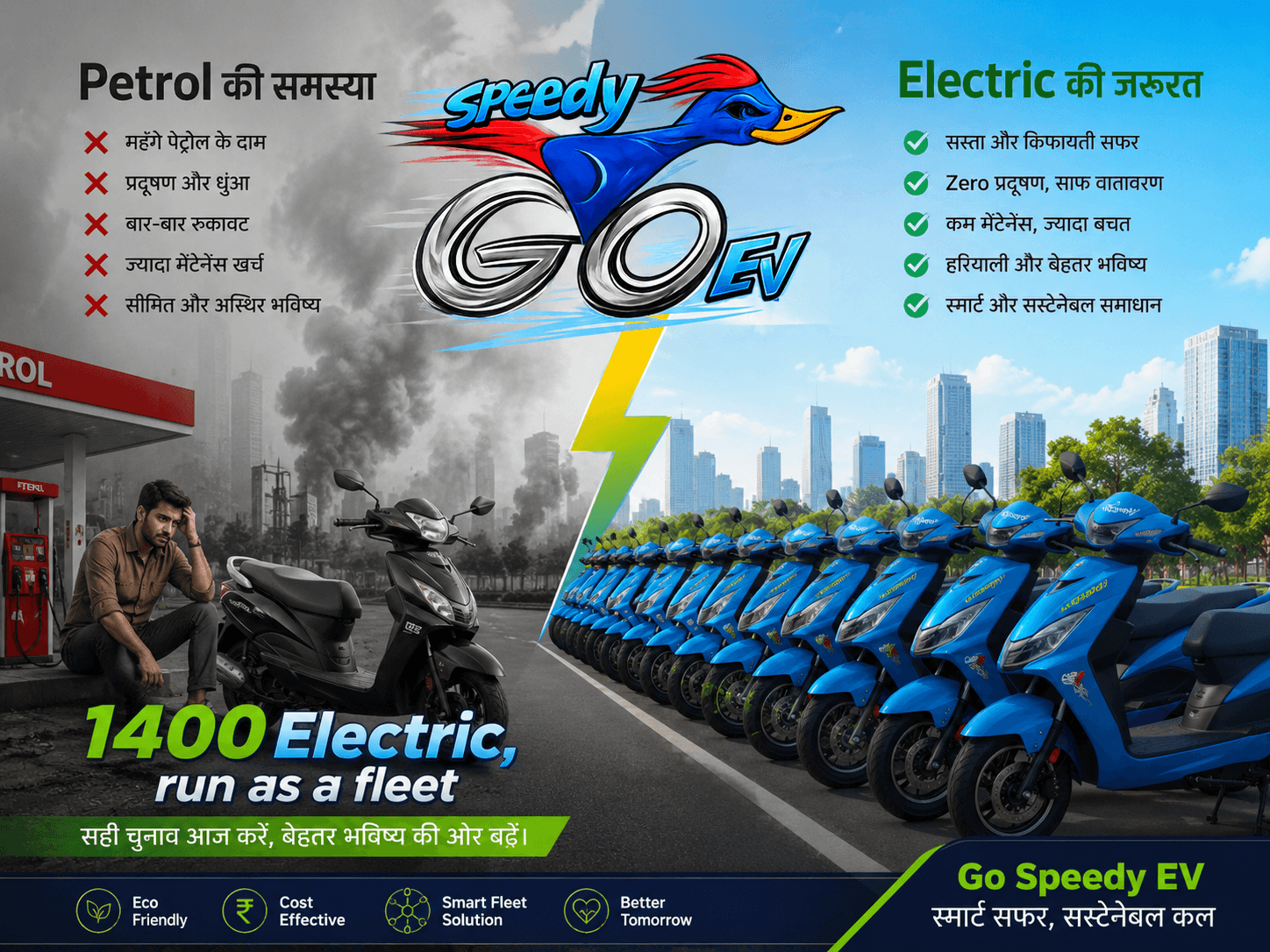
One fleet serves rides, parcels and rental, so each vehicle works far more of the day than a privately owned one ever does.
Every vehicle is company-owned and in daily commercial use. Not a pilot, not a pledge for a later year.
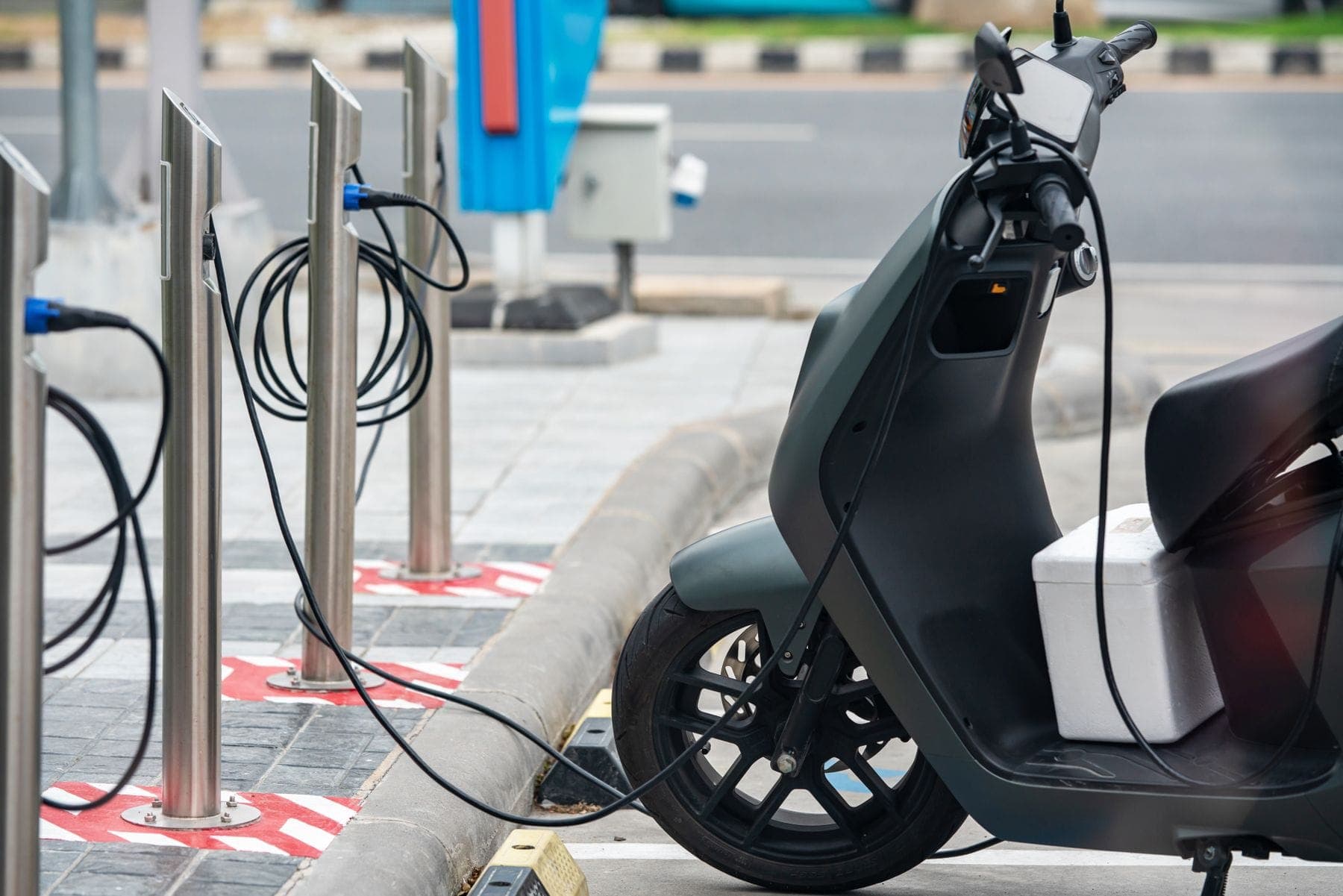
The part individual EV owners struggle with most is handled by the operation, not by the rider.
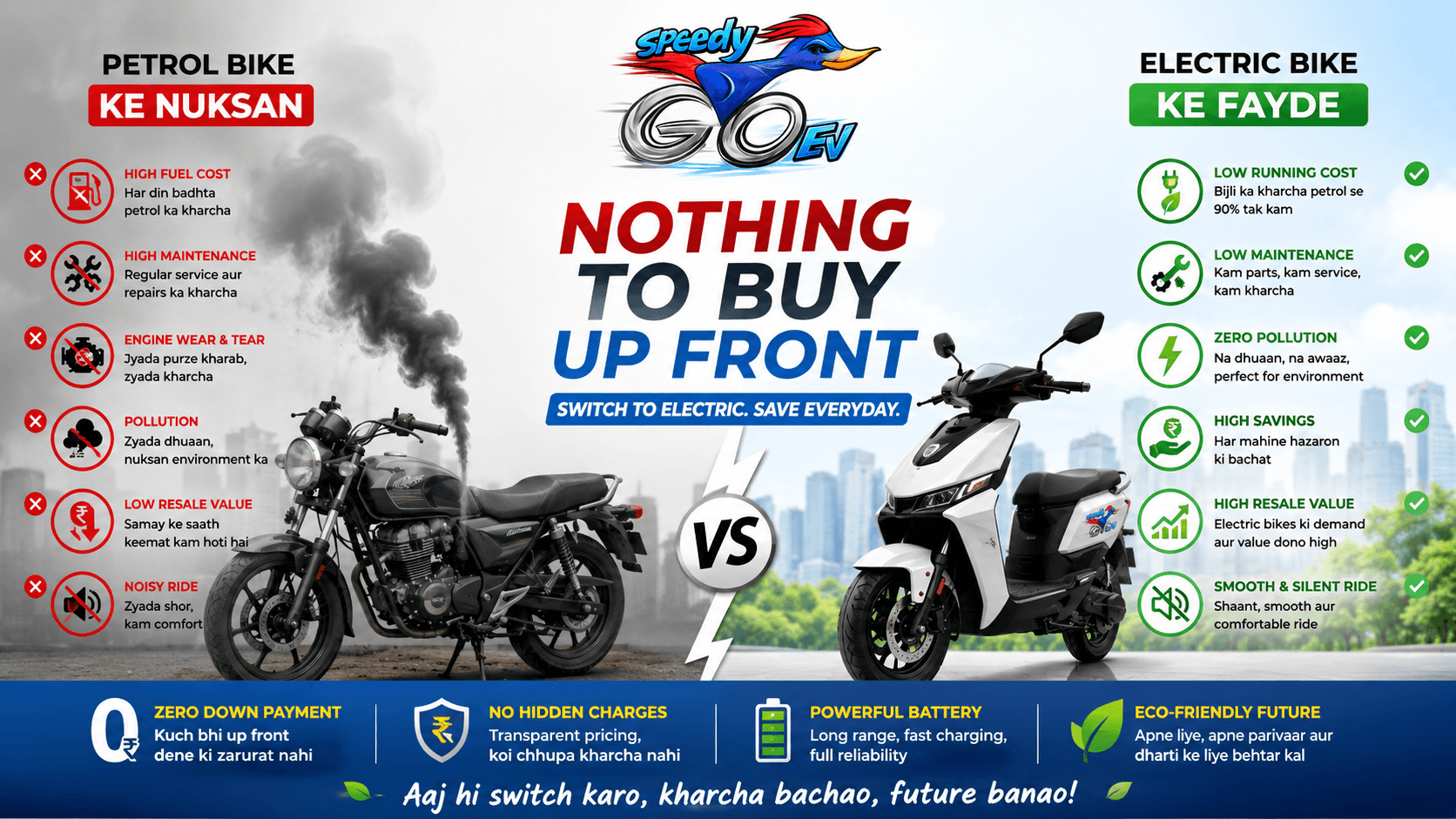
Rental removes the purchase barrier, which is the real reason EV adoption stalls among riders.
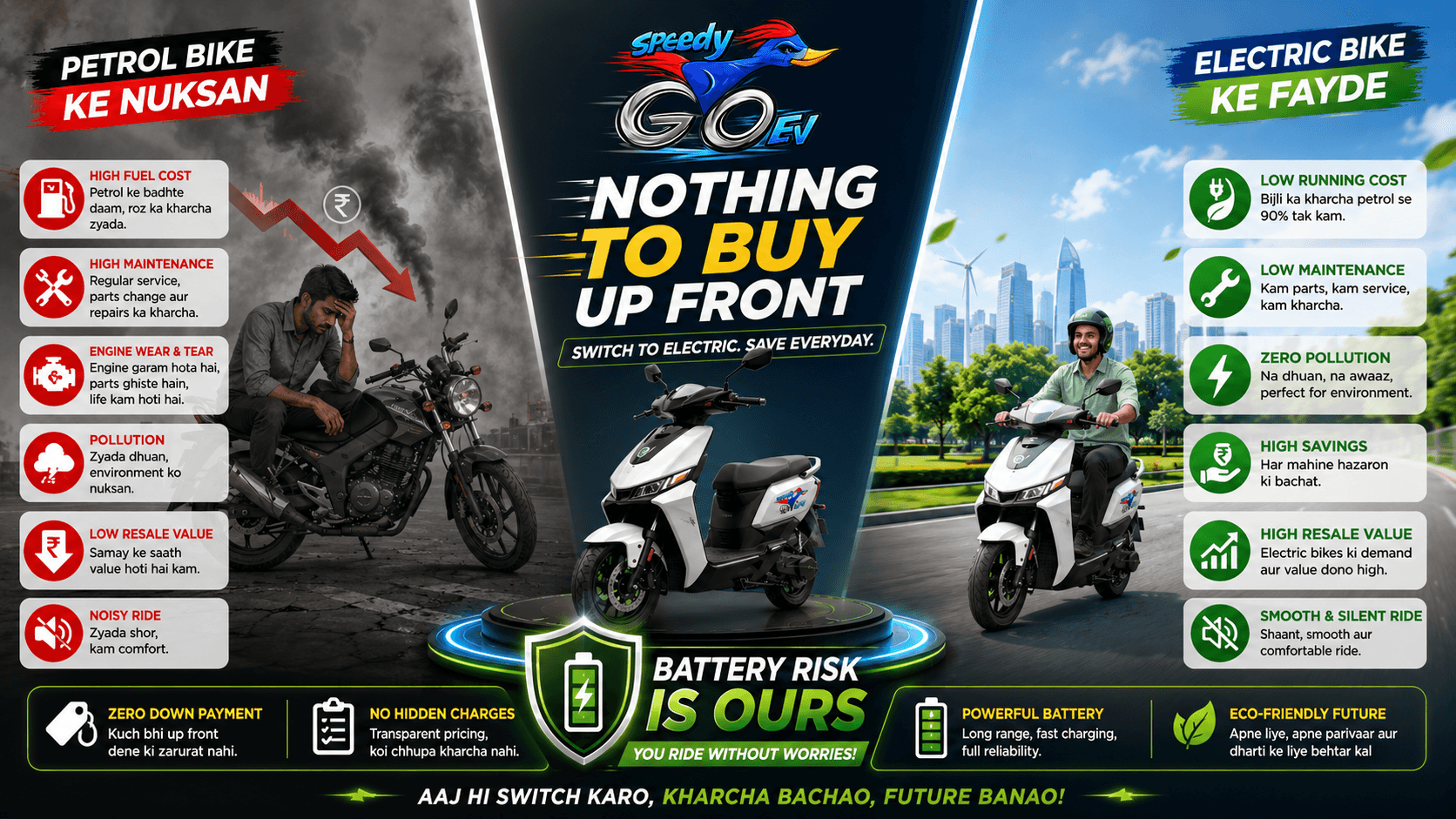
The costliest part of an electric vehicle is the company's to manage and replace, never the rider's.
An electric two-wheeler is a simpler machine than a petrol one. That shows up as working days, not as a brochure line.
No clutch, gears, engine oil, silencer or spark plugs. Fewer breakdowns, and more days the vehicle is out working.
In stop-start city traffic that is the only acceleration that matters, and an EV wins it outright.
No engine noise at the signal and no tailpipe, so nothing is emitted where people are standing.
Public context, not company performance. Our own operating numbers go to investors directly.
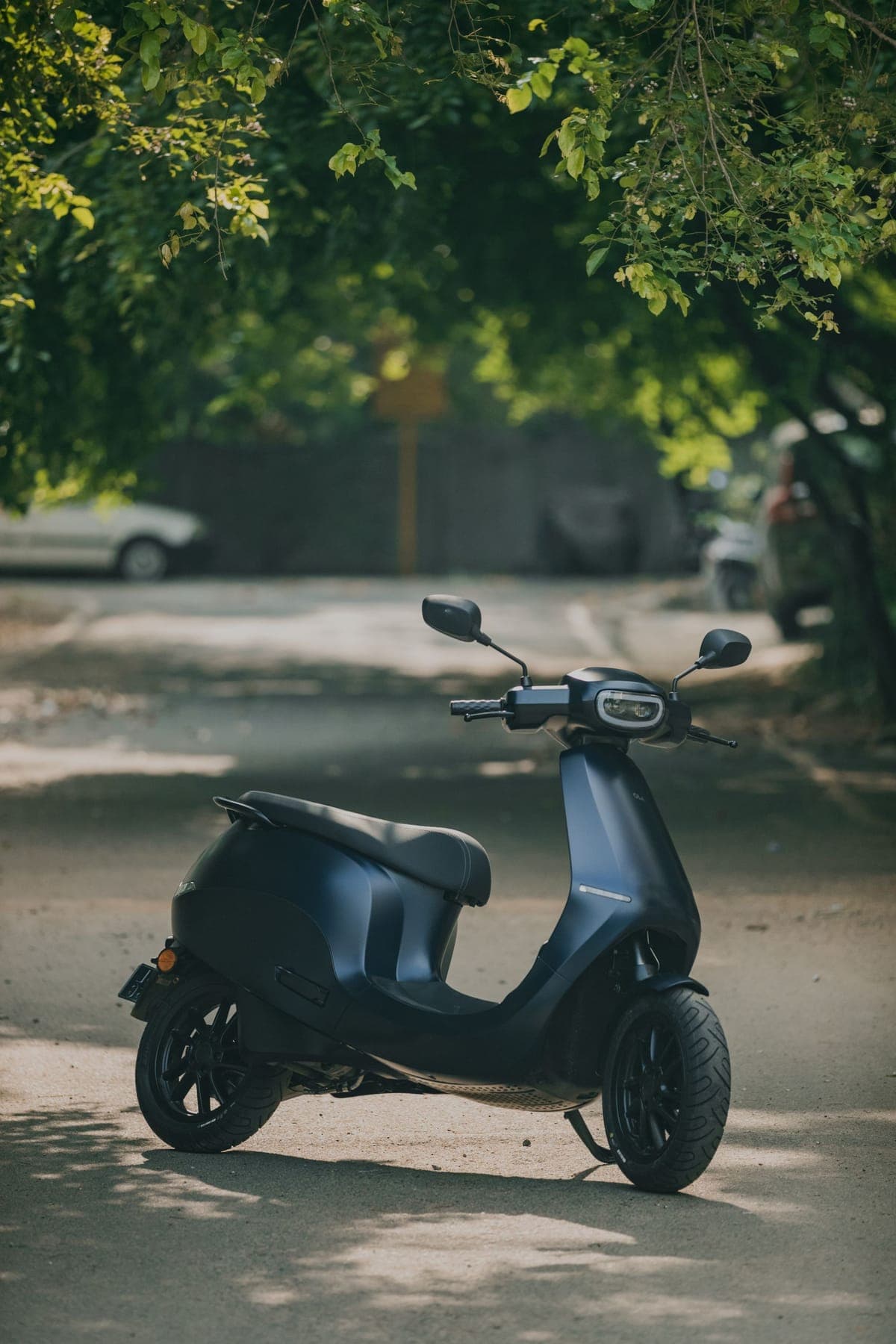
of India's motorised trips happen on two wheels
Industry estimates, Indian urban mobility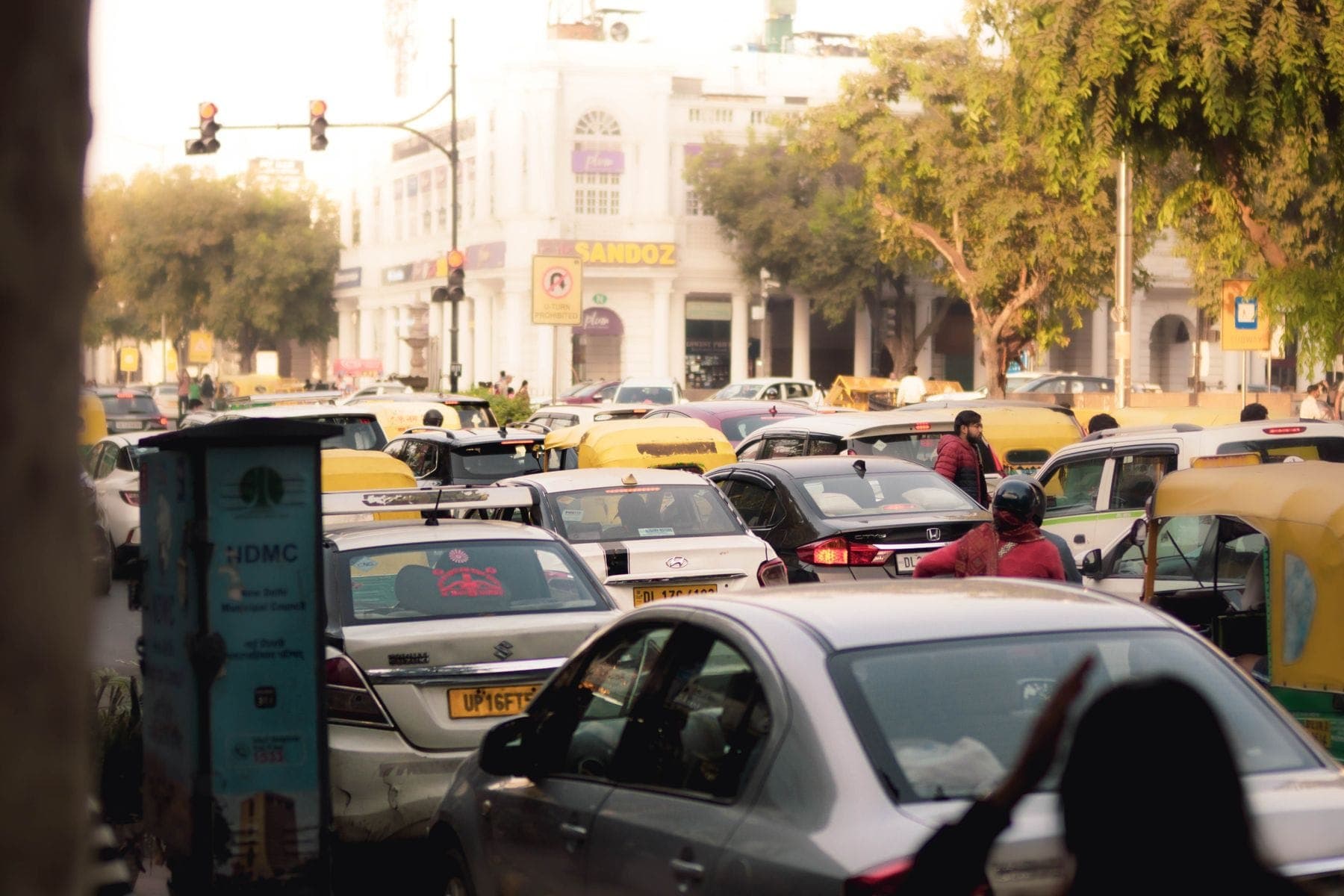
cities where large platforms are thinnest on the ground
Where Go Speedy operates
running cost per km of an electric two-wheeler versus petrol
Comparative energy cost, electricity versus fuelTwo real trade-ofafs and one habit, all handled by the operation rather than left with the rider.
Walk a hub, meet the operations team and watch the fleet go out in the morning. Then we talk numbers.